
Exploring the Connection between Positive Affirmations and the Practice of Gratitude

The Power of Positive Affirmations and Gratitude
In an increasingly fast-paced world, the quest for mental well-being has led many to explore various self-improvement techniques. Among these, two practices have gained significant attention: positive affirmations and gratitude. Both techniques emphasize the importance of mindset, yet they uniquely contribute to personal transformation.
Understanding their connection not only enhances individual practices but also offers a broader perspective on mental resilience. Here are key aspects to consider:
- Defining Positive Affirmations: Short, powerful statements aimed at fostering a positive self-view. For instance, saying “I am capable and strong” can refocus your mindset during challenging moments, leading to improved self-esteem and confidence.
- Understanding Gratitude: The practice of recognizing and appreciating the good in life. This might include keeping a gratitude journal where individuals list three things they’re thankful for each day, which can shift focus away from negativity.
- Shared Benefits: Both foster a positive outlook, improve emotional health, and enhance overall well-being. Studies indicate that regularly practicing gratitude can lead to better sleep patterns and lower rates of depression.
Research shows that individuals who consistently engage in both practices report increased happiness and reduced stress. For example, a study conducted by the University of California suggests that participants who articulated positive affirmations before expressing gratitude experienced a significant boost in mood compared to those who did not. This indicates not only that positive affirmations can enhance feelings of gratitude but also that gratitude can reinforce the effectiveness of affirmations.
But how exactly do positive affirmations enhance the experience of practicing gratitude? When someone affirms their value, they are more likely to appreciate their surroundings and the people in their lives. For instance, a person who regularly repeats affirmations about their worth may find it easier to feel grateful for supportive friendships or meaningful relationships, enhancing the effectiveness of their gratitude practice.
As we delve deeper, we’ll explore practical strategies to incorporate both techniques into daily routines. Activities such as morning affirmations followed by gratitude reflections can create a powerful morning ritual that sets a positive tone for the day. Understanding the synergy between affirmations and gratitude may not just change how you approach each day but also reshape how you perceive your place in the world.
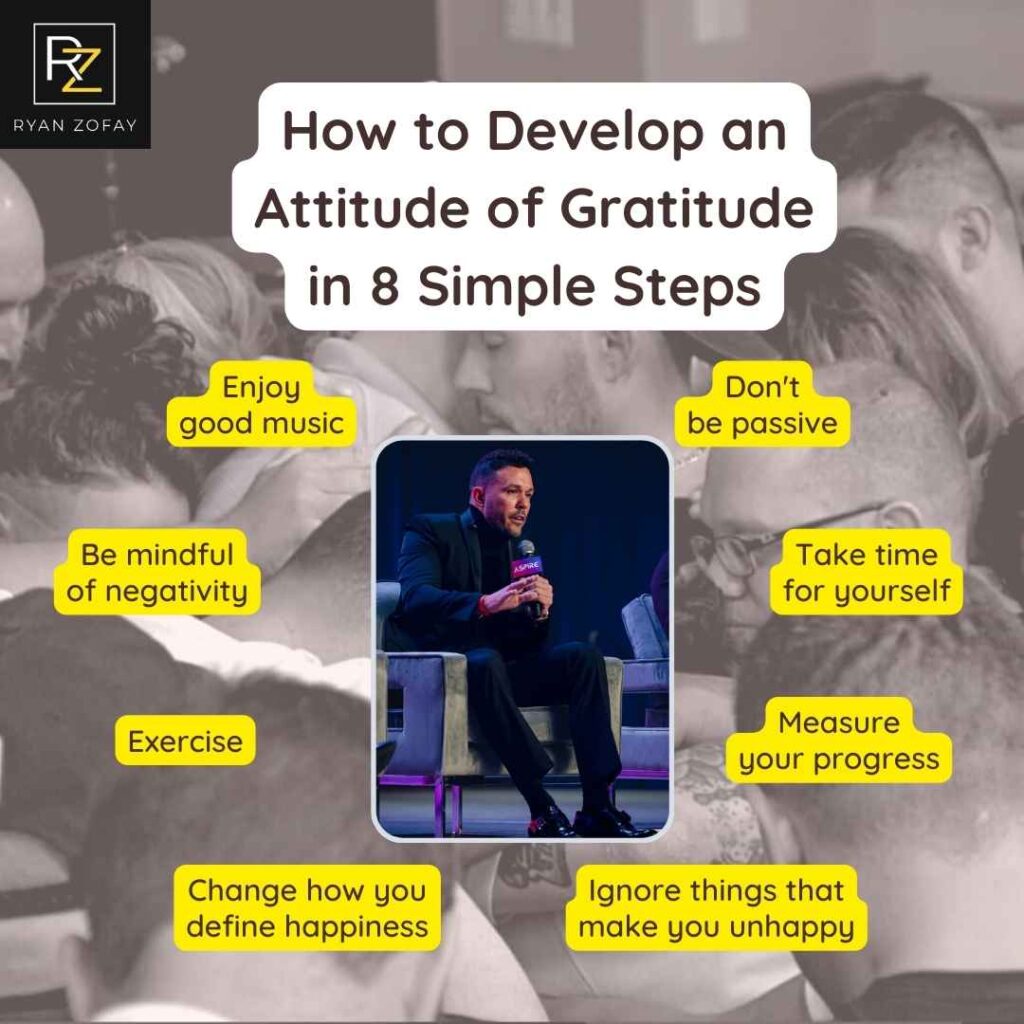
In conclusion, the journey toward mental well-being can be enriched through the mutual reinforcement of positive affirmations and gratitude. Exploring these practices further can lead to significant improvements in one’s outlook on life and personal resilience.
DISCOVER MORE: Click here to empower your daily affirmations
Intertwining Practices: The Synergy of Affirmations and Gratitude
To truly appreciate the connection between positive affirmations and the practice of gratitude, it’s essential to understand how they function both independently and as complementary practices. While positive affirmations affirm an individual’s worth and potential, gratitude encourages acknowledgment of the abundance present in our lives. When woven together, these practices can create a transformative impact on one’s mental health and overall outlook.
Exploring the neuroscience behind these practices gives us insight into why they are so effective. Engaging in positive affirmations has been shown to influence the neuroplasticity of the brain, reshaping thought patterns and enabling individuals to adopt a more optimistic perspective. On the other hand, gratitude can counteract negative emotions by activating the brain’s reward centers, releasing neurotransmitters such as dopamine and serotonin, which are critical for feelings of happiness and contentment.
To better understand this connection, we can break down the benefits of both practices:
- Enhanced Self-Esteem: Positive affirmations directly impact how individuals perceive themselves. When one regularly affirms their capabilities, the result is often a heightened sense of self-worth, which can facilitate a deeper appreciation for one’s surroundings and relationships.
- Shift in Perspective: Practicing gratitude allows individuals to focus on what they have rather than what they lack. This shift in mindset, when coupled with the reinforcement from positive affirmations, helps create a more fulfilled individual who is better equipped to navigate daily challenges.
- Resilience Building: Both techniques contribute to building emotional resilience. By affirming personal strengths and expressing gratitude for life’s positives, individuals can cultivate coping strategies and bounce back from setbacks with greater ease.
In addition to enhancing emotional well-being, the combination of positive affirmations and gratitude can lead to better physical health. Research indicates that individuals who express gratitude regularly tend to engage in more health-promoting behaviors, such as exercising and regular medical check-ups. This holistic approach encourages not only a positive mindset but also a commitment to self-care.
Interestingly, the timing and method of integrating these practices can amplify their effects. For instance, starting the day with positive affirmations, then transitioning into moments of gratitude, can catalyze a robust mental framework that empowers individuals to tackle their tasks with enthusiasm and positivity. As these rituals become embedded in daily routines, the long-term benefits are likely to flourish, resulting in sustained improvements in emotional and physical health.
As we further explore the nuances of how these two powerful practices intersect, we will delve into effective methods for incorporating them into daily life, ultimately paving the way for a richer, more rewarding existence.
Understanding the Synergy between Positive Affirmations and Gratitude
In the journey of self-improvement, the connection between positive affirmations and the practice of gratitude unveils profound insights into personal development. Both techniques, while distinct, share a common goal: fostering a more optimistic view of life. This synergy enhances mental well-being and emotional resilience, propelling individuals toward a happier and healthier existence.Positive affirmations serve as powerful tools for reshaping one’s self-concept and reducing negative thoughts. By consistently repeating affirmations, individuals can challenge and overcome self-doubt, paving the way for enhanced self-esteem. Research shows that such affirmations can effectively influence both conscious and subconscious mindsets, thereby reinforcing a habit of positivity.In contrast, gratitude practice shifts focus from what one lacks to appreciating what one possesses. Daily expressions of gratitude can dramatically impact one’s mental state. Acknowledging even the smallest blessings cultivates an enriched perspective on life, fostering happiness. Moreover, studies indicate that maintaining a gratitude journal can lead to reductions in symptoms associated with anxiety and depression.As these two practices converge, they create a nourishing cycle. Engaging in gratitude enhances the efficacy of positive affirmations, while affirmations deepen one’s appreciation for daily joys. Together, they form a compelling duo that nurtures both personal and interpersonal relationships, reinforcing feelings of connection and empathy. The exploration of this connection empowers individuals to embrace a more fulfilling and enriched life. Dive deeper into this insightful journey and discover how these practices can transform your daily experiences into a tapestry of positivity and gratitude.
| Advantages of Positive Affirmations | Advantages of Practicing Gratitude |
|---|---|
| Enhances self-esteem and confidence | Improves overall mental well-being |
| Reduces negative thinking patterns | Promotes a positive outlook on life |
Incorporating these practices into daily life fosters a mindset geared toward growth and positivity. The integration of positive affirmations with a gratitude practice not only enhances individual well-being but also creates a ripple effect, positively influencing surrounding relationships and environments.
DISCOVER MORE: Click here to dive deeper
Practical Applications: Integrating Affirmations and Gratitude into Daily Life
With a solid understanding of the benefits derived from positive affirmations and the practice of gratitude, the next step is to explore how individuals can seamlessly integrate these powerful tools into their everyday routines. The simplicity of these practices makes them accessible, allowing anyone to harness the transformative benefits regardless of their lifestyle or schedule.
One effective approach is to create a morning ritual that combines both practices. By starting the day with a series of positive affirmations, individuals can set a positive tone for the hours ahead. For example, one might voice statements such as, “I am capable and deserving of success,” followed by a reflective moment noting three things they are grateful for at that moment, such as support from friends, a comfortable home, or good health. This dual approach not only fosters optimism but also reinforces a sense of fulfillment before the day unfolds.
Research indicates that consistency is key; individuals who commit to a daily affirmation and gratitude practice report notable improvements in their mental well-being. Journaling is another powerful tool for this purpose. Maintaining a dedicated gratitude journal can help individuals capture specific moments of appreciation while simultaneously allowing the space to reflect on personal affirmations. Whether it’s writing down affirmations at the start or end of each day, or documenting instances of gratitude, this practice encourages mindfulness and reinforces positive thought patterns.
In the workplace, the synergy between affirmations and gratitude can also lead to a more productive and harmonious environment. Team members can engage in practices like gratitude circles, where they take turns expressing appreciation for colleagues’ efforts, paired with personal affirmations of self-worth and value. This interconnection not only enhances morale but also fosters a sense of community and shared positivity within the team.
Furthermore, the influence of technology in modern society allows for innovative ways to embrace these practices. Numerous apps are designed to provide daily affirmations while encouraging users to reflect on what they are grateful for, making it easier to stay committed. This convenience aligns with the busy lives many lead, providing timely reminders that prompt reflection and encourage personal growth.
Another vital aspect is shared experiences. Engaging with friends or family members in group activities centered around affirmations and gratitude can amplify the effect. Organizing workshops or gatherings that focus on these themes can help create a supportive network that thrives on positive reinforcement. This social component encourages accountability and can lead to deeper connections, fostering a community grounded in appreciation and self-empowerment.
As individuals explore creative ways to incorporate positive affirmations and gratitude into their lives, they begin to unlock a unique synergy that enriches their emotional and mental landscapes. The intertwining of these practices offers not merely a method for personal uplift but a means of creating a harmonious and enriching environment for those around them as well.
DISCOVER MORE: Click here for daily inspiration
Conclusion: The Transformative Power of Affirmations and Gratitude
In conclusion, the relationship between positive affirmations and the practice of gratitude is a profound connection that holds the potential to transform our daily lives. By consciously adopting these practices, individuals can cultivate an environment that encourages mental resilience, enhances well-being, and fosters a positive outlook on life. The integration of affirmations and gratitude is not merely an individual endeavor but can ripple out to affect our communities, workplaces, and relationships.
Research consistently supports the idea that those who engage with both practices experience significant improvements in their emotional and psychological states. From boosting self-esteem to fostering a sense of fulfillment, the combined effects of consistently affirming our worth and expressing gratitude can create a feedback loop of positivity. As both emotional tools coexist harmoniously, they empower us to confront challenges with a renewed spirit, develop deeper connections, and appreciate the little joys in everyday life.
Moreover, in a world that often emphasizes competition and pressure, integrating these practices can serve as an essential antidote, promoting a culture of support and appreciation. As individuals take steps to reinforce their self-beliefs while acknowledging the contributions of others, they help to cultivate a more compassionate and mindful society. As we continue to explore this dynamic intersection, it becomes evident that the journey towards personal and collective growth lies significantly within the power of our words and the resistance of our hearts. Embracing positive affirmations and gratitude is not just a method for self-enhancement; it is a powerful movement towards living with intention and joy.